A Dutch Health Insurer’s Claim Audit Rejected One MRI Referral on a Coding Mismatch
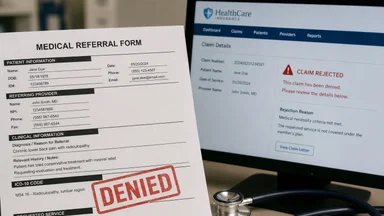
In the Netherlands, a patient with chronic lower back pain received a referral for an MRI scan from their general practitioner, a routine step toward diagnosis and treatment. But the insurer, CZ, rejected the claim. The reason: a coding mismatch. The doctor used ICD-10 code M54.5—low back pain—while the insurer's policy required a code within a narrower range that specified sciatica or radiculopathy. The patient appealed, citing clinical necessity, but the insurer upheld the denial on administrative grounds. This case, documented by the Dutch Ombudsman, highlights a growing friction point in health insurance: the gap between medical judgment and administrative rules.
One MRI Referral, Two Codes, and a Denied Claim
The incident began with a standard GP referral. The patient had been experiencing lower back pain for weeks, and the GP deemed an MRI necessary to rule out serious conditions. Under the Dutch basic health insurance system, such referrals are typically covered, as long as they come from a GP and are deemed medically necessary. However, the insurer's claim audit flagged the referral because the ICD-10 code—M54.5, which stands for 'low back pain'—did not match the policy's list of approved diagnostic codes for MRI coverage.
The policy language tied MRI coverage to specific conditions, such as sciatica or nerve root compression, coded under a different range. The GP had used a broader code, possibly because the diagnosis was not yet confirmed. The insurer's automated system rejected the claim without any clinical review. The patient, unaware of the coding nuance, only learned of the denial weeks later when a bill arrived.
The patient filed an internal appeal with CZ, providing a letter from the GP explaining the medical necessity and noting that the MRI was needed to confirm the exact cause of the pain. The insurer's appeals committee reviewed the case but upheld the denial, citing that the policy's terms did not cover MRI for 'low back pain' without evidence of nerve involvement. The decision was purely administrative: the code didn't match, so no coverage.
Similar cases have been reported to the Dutch Health Ombudsman, where insurers deny claims based on technicalities rather than medical judgment. In one instance, a patient's referral for a hip MRI was denied because the GP used a code for 'hip pain' instead of 'osteoarthritis,' even though the patient had a history of the condition. These cases underscore how a single digit in a code can block care, leaving patients to navigate a labyrinth of appeals.
How a Single Digit in a Code Can Block Care
The ICD-10 coding system is vast, with thousands of codes covering every conceivable diagnosis. Insurers often use these codes to determine coverage, but their policies may only list a subset of approved codes for specific procedures. In the MRI case, the policy covered codes in the M54 range for 'sciatica' (M54.3 and M54.4) but not for 'low back pain' (M54.5). The difference is a single digit, yet it meant the difference between coverage and denial.
Doctors, especially GPs, may not always use the most specific code. They might use a broad code like 'low back pain' when the diagnosis is uncertain, or they may rely on older codes that are no longer preferred. In the Dutch system, GPs are not penalized for using broad codes, but insurers use them to gatekeep coverage. This creates a mismatch between clinical practice and administrative policy.
Insurers' claim audits are often automated, flagging codes that fall outside approved lists. In many cases, no human clinician reviews the denial before it is sent. The patient then bears the burden of proving medical necessity, often without the knowledge or resources to do so effectively. The Dutch Ombudsman has noted that such denials disproportionately affect patients with chronic conditions, who require more referrals over time.
Consumer groups argue that insurers should accept a broader range of codes or conduct a clinical review before denying claims based on coding alone. Some insurers have started to implement 'soft' denials that trigger a manual review, but these are not universal. As of late 2024, roughly 5–8% of all referral claims in the Netherlands face an initial denial, with coding mismatch being a common reason.
The Dutch Health Insurance System as a Claims Machine
The Dutch health insurance system is often praised for its universal coverage and regulated competition. Every resident is required to purchase a basic insurance package that covers GP visits, hospital care, and specialist referrals. Insurers must accept all applicants, but they compete on price and service. To control costs, insurers employ claim audits that scrutinize referrals and treatments.
When a GP refers a patient for a non-emergency procedure like an MRI, the insurer must approve it before the procedure takes place. This pre-authorization process is intended to prevent unnecessary care, but it also creates a bottleneck. Insurers use algorithms and coding checks to approve or deny requests quickly. The system is efficient for straightforward cases but falters when codes don't align.
According to some estimates, roughly 5–8% of all referral claims face an initial denial. Most of these are overturned on appeal, but the process takes weeks to months. During that time, patients may suffer from delayed diagnosis and treatment. The Dutch Health Authority (NZa) has documented cases where patients waited over three months for an MRI because of repeated denials and appeals.
Insurers defend the process as necessary to prevent fraud and overutilization. They argue that without strict coding rules, costs would rise for all policyholders. However, critics contend that the system prioritizes administrative convenience over patient care. The tension between cost control and access is a central feature of the Dutch system, and coding mismatches are a symptom of that tension.
When Coding Mismatches Become a Coverage Gap
The MRI denial illustrates a broader coverage gap: the difference between what insurance policies promise and what they deliver in practice. Policy language often ties coverage to specific diagnoses, but real-world medicine is messy. Patients may present with symptoms that don't neatly fit a code, or doctors may use codes that are not on an insurer's approved list.
Insurers profit from administrative denials in the sense that they avoid paying for care that might be covered under a broader interpretation. Some consumer advocates have called for policy language to require coverage for any medically necessary referral, regardless of the exact code. Others propose that insurers accept a wider range of codes or allow doctors to submit a justification along with the code.
The Dutch Health Authority (NZa) reviews disputes between patients and insurers. In a 2023 report, the NZa noted that coding mismatches were a recurring issue and recommended that insurers adopt a more flexible approach. However, the authority has limited power to enforce changes, and insurers have been slow to adjust their systems.
Similar coverage gaps exist in other countries. In the United States, for example, prior authorization denials often hinge on coding or documentation errors. The problem is not unique to the Netherlands, but the Dutch system's reliance on a standardized coding framework makes it particularly susceptible to these mismatches. As one Dutch health policy analyst put it, 'We have a system designed for efficiency, but efficiency can become rigidity.'
Lessons from the MRI Denial: What Policyholders Should Know
For policyholders, the MRI denial offers several practical lessons. First, always verify that the referral codes used by your doctor match the insurer's policy terms. You can ask your GP to check the insurer's website or call the insurer directly before submitting the referral. This simple step can prevent many denials.
Second, ask your GP to use the most specific ICD-10 code possible, even if the diagnosis is tentative. A code like 'sciatica' is more likely to be covered than 'low back pain,' even if both describe the same patient. Doctors may not be aware of insurers' coding preferences, so it helps to communicate.
Third, keep records of all communications with your insurer and healthcare provider. If a claim is denied, you will need documentation to appeal. The Dutch system allows for an internal appeal within six weeks of the denial. If that fails, you can escalate to the Health Ombudsman, which provides free mediation.
Fourth, consider filing a complaint with the Dutch Health Authority if you believe the denial was unjust. The NZa can investigate systemic issues, though individual cases may take time. Finally, don't assume that a denial is final. Many denials are overturned on appeal, especially when a doctor provides additional clinical justification.
For a similar case study in a different context, see our article on a risk score model that denied a California exchange policy due to a single smoker clause. The pattern is the same: a small administrative detail can block coverage, but proactive steps can often resolve it.
Regulatory Shifts That Could Change the Game
The Dutch government has proposed several reforms to reduce coding-related denials. One proposal would require insurers to use a standard list of ICD-10 codes for common procedures, reducing variation across carriers. Another would mandate that insurers conduct a clinical review before denying a claim based on coding alone. As of mid-2026, these proposals are still under discussion.
At the European level, a directive on insurance claim handling pushes for faster resolutions and greater transparency. Insurers would be required to acknowledge claims within 14 days and make a decision within 30 days. The directive also encourages digital claim submission, which could reduce errors by automatically checking codes against policy terms before submission.
Some insurers have already adopted digital tools that allow GPs to check coverage in real time. For example, a pilot program in the Netherlands allows GPs to enter a code and see immediately whether the procedure is covered. This reduces the need for appeals and speeds up care. However, adoption is voluntary, and not all insurers participate.
Enforcement remains uneven. The Dutch regulator has fined some insurers for systematic denial practices, but penalties are small relative to the savings from denied claims. Consumer groups argue for stronger sanctions, including mandatory coverage of denied claims that are later found to be medically necessary. The debate is ongoing, and change is slow.
Trade-Offs: Cost Control vs. Access to Care
The coding mismatch issue highlights a fundamental trade-off in health insurance. Insurers must balance the need to control costs with the obligation to provide timely care. Strict coding rules reduce the risk of overutilization and fraud, but they also create barriers for patients whose conditions don't fit neatly into predefined categories. For example, a patient with vague symptoms may need an MRI to rule out serious disease, but without a specific code, the insurer may deny coverage. The insurer saves money in the short term, but the patient may suffer from delayed diagnosis, potentially leading to more expensive treatment later.
Some argue that the current system shifts too much risk onto patients. A study by the Dutch Institute for Health Services Research (Nivel) estimated that coding-related denials affect roughly 2–3% of all MRI referrals annually, but the impact on those patients can be significant. Delays in diagnosis can lead to disease progression, increased anxiety, and lost productivity. On the other hand, insurers point out that without strict checks, unnecessary MRIs could increase healthcare costs by an estimated 10–15%, which would raise premiums for everyone.
The trade-off is not easily resolved. Proposals to mandate clinical reviews for all coding-based denials would add administrative costs, potentially slowing the approval process for everyone. Similarly, expanding the list of approved codes might lead to more coverage but could also invite overuse. Policymakers must weigh these competing interests carefully.
Another perspective comes from healthcare providers. Some GPs argue that the coding system is too rigid for primary care, where diagnoses are often provisional. They suggest that insurers should allow a grace period for diagnostic testing, during which a provisional code is accepted, and the final diagnosis is confirmed after the test. This approach is used in some other countries, such as Germany, where insurers accept a 'suspected diagnosis' code for initial testing. However, implementing such a system in the Netherlands would require changes to both insurance regulations and clinical practice guidelines.
Counter-Arguments: Insurers' Perspective
Insurers defend coding-based denials as a necessary tool to prevent waste and fraud. They argue that without clear rules, some providers might order unnecessary tests or use codes that exaggerate the severity of a condition to secure coverage. For instance, a GP might code a routine check-up as a more complex visit to justify a higher reimbursement. By enforcing strict coding matches, insurers can detect such patterns and deter abuse.
Moreover, insurers note that coding mismatches are often resolvable with a simple correction. In many cases, the GP can resubmit the referral with a more appropriate code, and the claim is approved. The problem arises when patients are unaware of the need to correct the code or when GPs are unwilling to change it. Insurers argue that they provide clear guidelines to providers and that most denials are avoidable if doctors follow the rules.
Some insurers have also invested in training programs for GPs to improve coding accuracy. For example, a collaboration between a major Dutch insurer and a GP association reduced coding errors by roughly 15% over two years. These efforts suggest that the problem is not intractable, but they require ongoing commitment from both sides.
Critics, however, counter that the burden should not fall on patients or providers to navigate complex coding rules. They argue that insurers should design policies that align with clinical reality, rather than forcing clinical practice to conform to administrative categories. The tension between these views is unlikely to disappear, but it shapes the ongoing debate about how to reform the system.
Practical Advice for Policyholders in 2026
Given the current landscape, policyholders should take proactive steps to protect themselves. First, before any referral, ask your GP to check the insurer's coverage criteria for the specific procedure. Many insurers provide online tools that show approved codes for common tests. If the code your GP plans to use is not on the list, ask if a different code would be more appropriate.
Second, if you receive a denial, don't panic. Contact your insurer to understand the reason and ask if the code can be corrected. In many cases, the insurer will allow a resubmission with a corrected code, and the claim will be approved. Keep a record of all communications, including dates and names of representatives.
Third, if the denial is upheld, consider filing a formal appeal. The Dutch system provides a clear appeals process, and the Health Ombudsman can mediate disputes. In 2025, the Ombudsman resolved roughly 80% of coding-related complaints in favor of patients, often after a clinical review. Persistence pays off.
Finally, consider switching insurers if you experience repeated denials. The Dutch market is competitive, and some insurers have better records on claim approvals than others. Consumer organizations publish annual reports on insurer performance, including denial rates for common procedures. Choosing an insurer with a more patient-friendly claims process can reduce the risk of future disputes.
The Bottom Line: Claim Audits Are a Risk You Can Manage
The MRI denial case is a microcosm of a larger issue: health insurance claim audits are designed to control costs, but they can create barriers to care. Coding mismatches are a common denial reason, and they often catch patients by surprise. The good news is that these denials are usually reversible if you know how to navigate the system.
Proactive steps—verifying codes, appealing promptly, and keeping records—can prevent most disputes. But the burden falls on the policyholder, not the insurer. Insurers follow rules, not medical judgment, and it is up to patients to bridge that gap. The system is not designed to be adversarial, but in practice, it often becomes one.
Regulatory changes may reduce the frequency of coding mismatches in the future, but for now, they remain a weak point in the claims process. As one patient advocate said, 'Insurance is a promise, but the fine print can break it.' The lesson from a single MRI referral is that the fine print matters, and knowing it can make the difference between getting care and paying out of pocket.
Disclaimer: This article is for informational purposes only and does not constitute legal, medical, or insurance advice. Policyholders should consult with their insurer or a qualified professional for guidance on their specific situation.